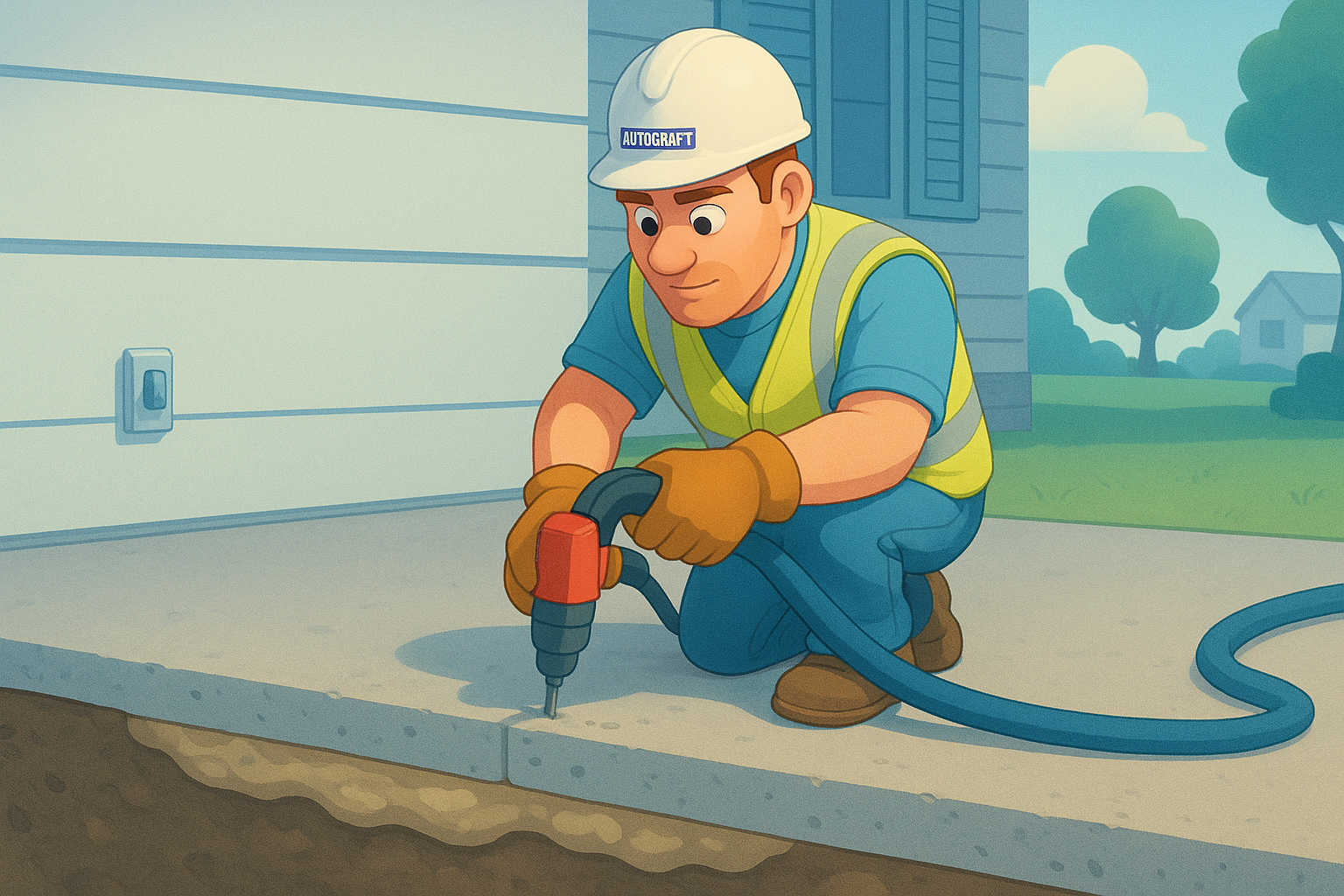
Instead of replacing your uneven concrete, we use high-density polyurethane foam to lift and level it back into place. It’s faster, cleaner, and built to last. Read down below to see exactly how it works.
How It Works
The Concrete Lifting Process
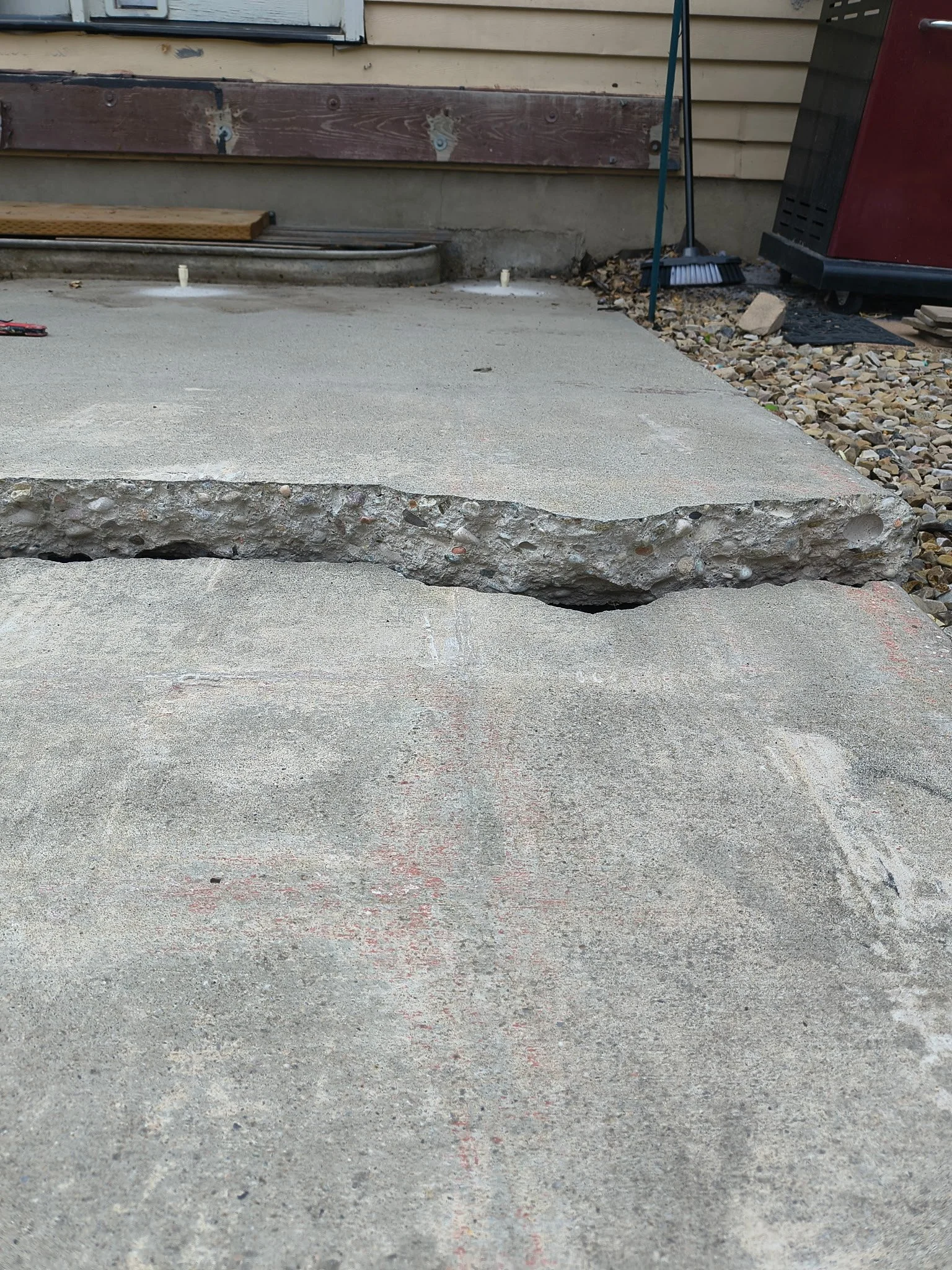
1. Inspect & prep
We evaluate the slab, identify settlement causes, and mark lift points. Area is cleaned so injections are precise and effective.
2. Drill small access holes
We drill several small holes (each about a dime size) at strategic locations — just large enough for the injection nozzle, minimally invasive to the slab.

3. Inject high-density polyurethane foam
Through the holes we inject expanding polyurethane foam. The foam fills voids, compacts loose soil, and applies gentle upward pressure to raise the slab.
4. Lift & fine-tune
As the foam expands we carefully monitor and adjust injection locations and volume to bring the slab back to the correct grade and ensure a level finish.
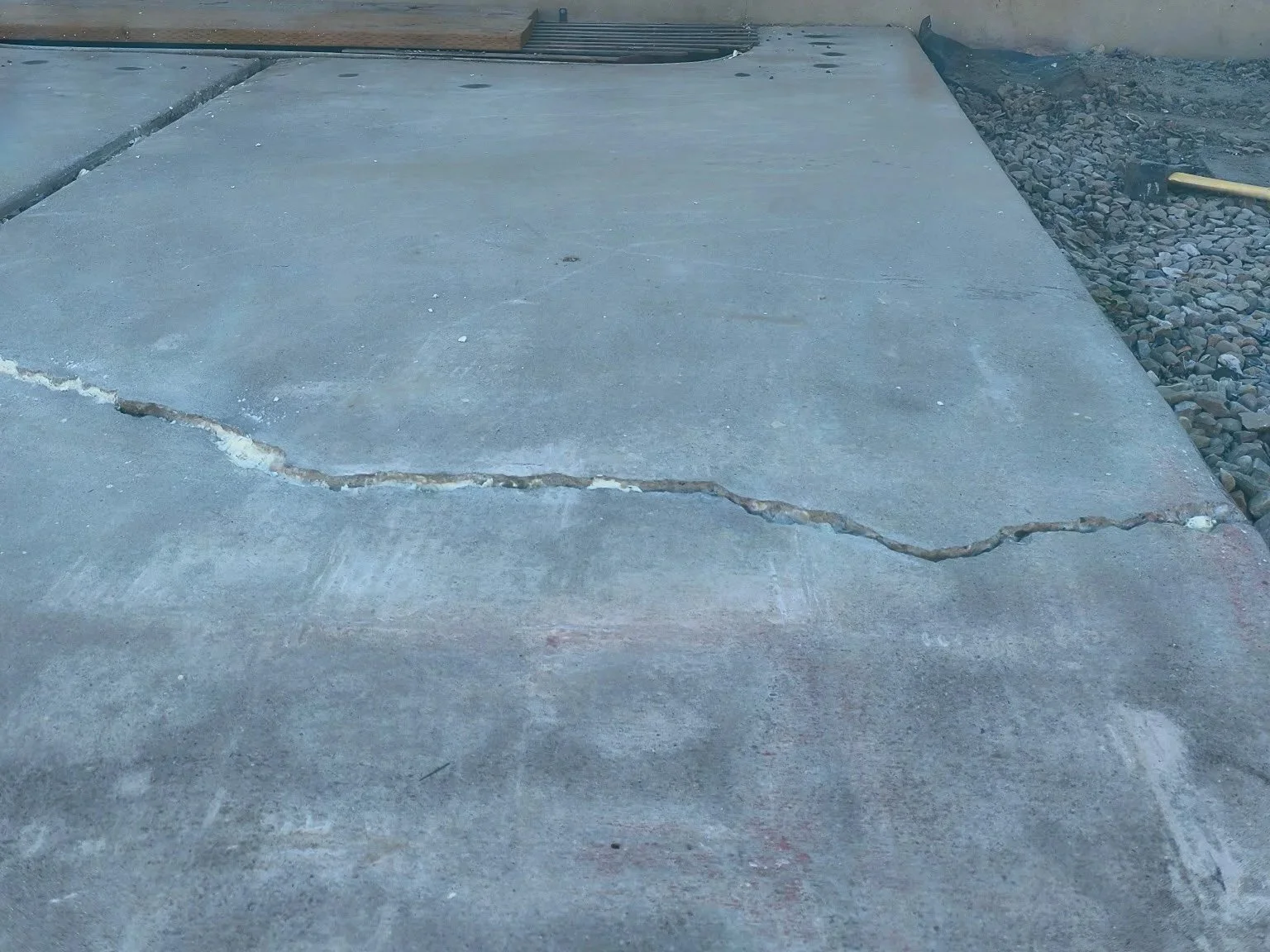
5. Patch holes & clean up
We patch the small drill holes with a durable, color-matched filler and leave the area neat. No heavy demolition or large repairs required.
Still have questions? No problem! Check out our FAQs to get answers to common questions.
-
Polyurethane foam lifting is a long-term solution. The material doesn’t break down or wash away, and with stable soil conditions, results can last decades. It’s designed to be stronger and longer-lasting than traditional mudjacking.
-
Most projects are completed in just a few hours. You can usually walk or drive on the surface the same day — often within 30 minutes of completion.
-
Yes — polyurethane foam is lighter, requires smaller holes, cures faster, and provides a more permanent lift. Mudjacking is heavier and can sometimes cause re-settling over time.
-
In most cases, yes. Driveways, sidewalks, patios, garage floors, pool decks, and even interior slabs can be leveled. During your estimate, we’ll assess the condition to ensure lifting is the right solution.
-
No — the holes we drill are smaller than a quarter, and we patch them with a color-matched compound so they blend in with your concrete surface.
-
Common causes include soil erosion, poor compaction, water drainage issues, or settling over time. Our process not only lifts the concrete but also stabilizes the soil beneath it.
-
Absolutely. Concrete leveling typically costs 50–75% less than tearing out and replacing the slab — and it’s done in a fraction of the time.
-
We primarily serve Utah and Salt Lake Counties, but if you’re nearby, contact us — we’ll do our best to accommodate your project.
Contact Us
Ready to get your concrete lifted? Fill out the form or give us a call, and we’ll be in touch ASAP.